

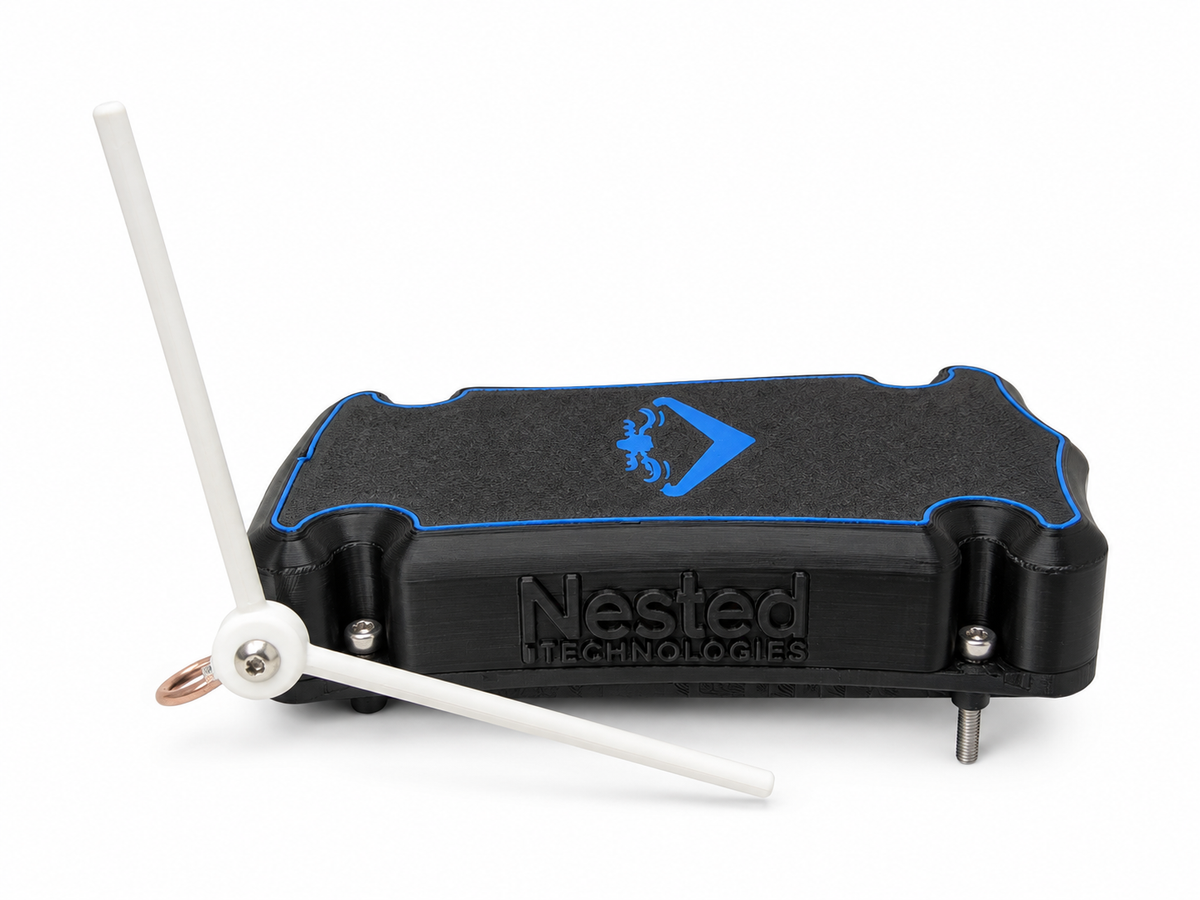
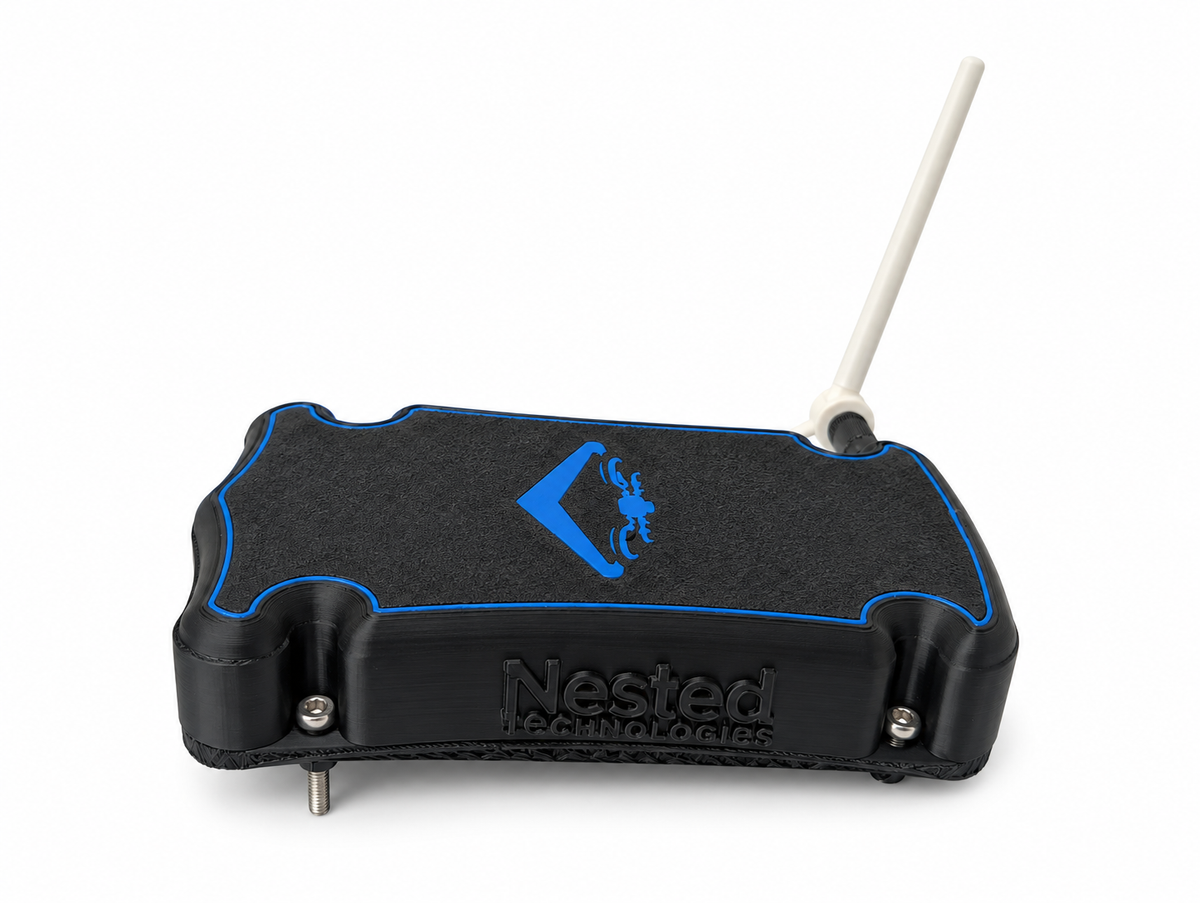

PING978 EC System
PING978 EC System
Lightweight ADS-B Detect, Avoid and Electronic Conspicuity for Unmanned Aircraft
The PING978 EC System is a compact, lightweight ADS-B transceiver designed to enhance situational awareness for unmanned aircraft operations. Developed by uAvionix, the system combines ADS-B In and Out capabilities with integrated GNSS and precision barometric sensing to help operators detect nearby aircraft and support electronic conspicuity.
Operating with 978 MHz UAT ADS-B Out and dual-link 978 MHz and 1090 MHz ADS-B In, the PING978 EC System broadcasts aircraft position information while receiving compatible ADS-B traffic from other equipped aircraft. This provides real-time traffic awareness to support detect-and-avoid functions during unmanned aircraft operations.
With an integrated Satellite-Based Augmentation System (SBAS) GNSS sensor, precision barometric sensor, and a lightweight design, the PING978 EC System is engineered for integration into unmanned aircraft platforms where payload weight and space are important considerations. It is designed to support electronic conspicuity requirements for applicable UK BVLOS UAS operations.
Key Features
- Dual-Link ADS-B Transceiver - Receives ADS-B traffic on both 978 MHz and 1090 MHz while transmitting ADS-B Out on 978 MHz UAT.
- Detect and Avoid Support - Provides real-time traffic information from compatible ADS-B-equipped aircraft to help improve operator situational awareness.
- Integrated GNSS and SBAS - Incorporates a high-integrity GNSS sensor with Satellite-Based Augmentation System support for positioning.
- Precision Barometric Sensor - Provides barometric altitude sensing to support aircraft position and altitude reporting.
- Electronic Conspicuity - Designed to support applicable UK CAA electronic conspicuity requirements for BVLOS unmanned aircraft operations.
- Lightweight Design - Weighs approximately 22 g for the transceiver, minimizing the impact on aircraft payload capacity.
- Compact Form Factor - Measures 25 × 50 × 18 mm for integration into space-constrained unmanned aircraft platforms.
- Rapid GNSS Acquisition - Battery-backed GNSS supports faster Time to First Fix (TTFF).
- Autopilot Interface Support - Supports GDL 90 and MAVLink serial communication for integration with compatible autopilots.
- Integrated Antenna - Includes an ADS-B antenna for the supported operating configuration.
Why Choose the PING978 EC System?
- Improve awareness of nearby ADS-B-equipped aircraft during unmanned aircraft operations.
- Support detect-and-avoid functions through dual-frequency ADS-B traffic reception.
- Transmit ADS-B Out position information on the 978 MHz UAT frequency.
- Combine ADS-B, GNSS positioning, and barometric sensing in a compact unit.
- Minimize payload weight with a lightweight avionics solution.
- Support integration with compatible autopilots using GDL 90 or MAVLink interfaces.
- Support applicable UK electronic conspicuity requirements for BVLOS UAS operations.
Ideal Applications
- Unmanned aircraft situational awareness
- Detect-and-avoid system integration
- Applicable UK BVLOS UAS operations
- Electronic conspicuity for unmanned aircraft
- Commercial and industrial drone operations
- Integration into compatible autopilot-based aircraft platforms
- Unmanned aircraft research and development
Compatibility and Integration
- Product Type: ADS-B transceiver with integrated GNSS and barometric sensing
- ADS-B Out: 978 MHz UAT
- ADS-B In: 978 MHz and 1090 MHz
- Communication Protocols: GDL 90 and MAVLink, subject to compatible system configuration
- Power Input: 11–28 V DC
- Configuration: uAvionix Ping Installer application and compatible Ping Programmer
What's Included
- uAvionix PING978 EC ADS-B transceiver
- Power cable
- ADS-B antenna
- Device programmer
- Wiring harnesses for Pixhawk and Pixhawk 2
Important Information
The PING978 EC System is designed to improve aircraft traffic awareness and support detect-and-avoid functionality. It is a navigational aid and situational awareness component, not a replacement for an approved collision avoidance system or the pilot's operational responsibilities.
Regulatory applicability depends on the operating jurisdiction, aircraft configuration, installation, and applicable requirements. The manufacturer's stated compliance relates to specified UK CAA electronic conspicuity requirements; do not assume that this establishes compliance with Canadian or other jurisdictions' requirements.
Installation, antenna placement, power connections, and configuration should follow the manufacturer's documentation. Compatibility and functionality depend on the selected autopilot, software, wiring, and system configuration.